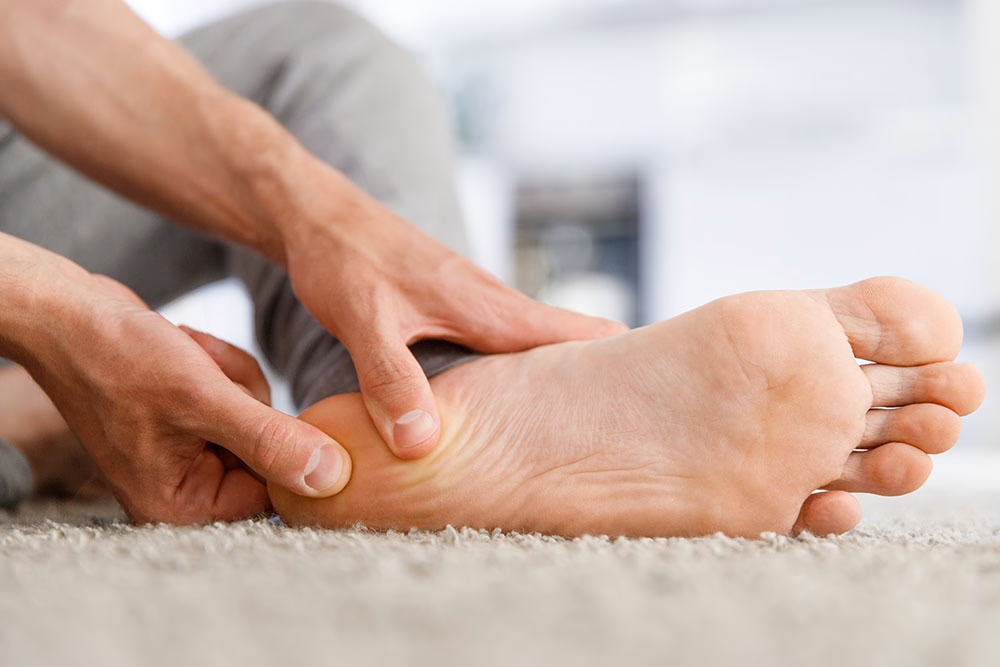
Plantar Fasciitis Treatment in Flower Mound, TX
That stabbing heel pain when you take your first steps in the morning is one of the most recognizable signs of plantar fasciitis — the most common cause of heel pain in adults. At DFW Foot and Ankle, Dr. Davey Suh provides comprehensive, individualized plantar fasciitis treatment to help patients in Flower Mound, TX get lasting relief and return to pain-free movement. Call (972) 899-2170 to schedule your appointment today.
What Is Plantar Fasciitis?
The plantar fascia is a thick, fibrous band of tissue that runs along the bottom of your foot, connecting your heel bone to the base of your toes. It plays a critical role in supporting the arch of your foot and absorbing the impact of every step you take. When this tissue becomes inflamed — typically at the point where it attaches to the heel — the result is plantar fasciitis.
Plantar fasciitis affects at least one million people in the United States every year. It most commonly develops in people between the ages of 40 and 60, and women are affected more often than men. The pain is often described as sharp and stabbing, and it tends to be worst with the first few steps of the day or after long periods of rest. It typically improves with movement but may return after prolonged standing or activity.
What Causes Plantar Fasciitis?
Plantar fasciitis develops when the plantar fascia is subjected to repeated stress and strain that exceeds its ability to recover. Common contributing factors include:
- Standing or walking on hard surfaces for extended periods
- Running, especially with a sudden increase in mileage or intensity
- Flat feet or low arches that cause overpronation
- High arches that place extra tension on the fascia
- Tight calf muscles or Achilles tendons
- Unsupportive or worn-out footwear
- Being overweight, which increases the load on the heel
- Starting a new exercise program after a period of inactivity
Plantar Fasciitis Treatment Options at DFW Foot and Ankle
The good news is that plantar fasciitis responds well to conservative, non-surgical treatment in the vast majority of cases. Dr. Suh will examine your feet, assess your gait and lifestyle, and create a personalized treatment plan. Depending on your situation, treatment may include one or more of the following:
Custom Orthotics
Everyone’s feet are different, and off-the-shelf insoles rarely provide the targeted support your specific foot mechanics require. Custom orthotics prescribed by Dr. Suh are fabricated using a 3D scan of your feet to provide precise arch support, heel cushioning, and pressure redistribution — addressing the root biomechanical causes of your plantar fasciitis.
Stretching and Physical Therapy
Tight calf muscles are one of the most common contributors to plantar fasciitis. A targeted stretching program — including calf stretches, Achilles tendon stretches, and plantar fascia stretches — can significantly reduce tension in the fascia and speed recovery. Dr. Suh will show you the most effective stretches and advise on frequency.
RICE Therapy
Rest, Ice, Compression, and Elevation can help manage pain and inflammation in the short term. Icing the bottom of your heel for 20 minutes several times a day, particularly after activity, can provide meaningful relief. Rolling the heel and arch over a frozen water bottle is another effective technique.
MLS Laser Therapy
MLS laser therapy uses FDA-cleared, dual-wavelength laser energy to reduce inflammation and promote tissue healing at the cellular level. It is a non-invasive, pain-free treatment that has helped many of Dr. Suh’s patients achieve faster resolution of plantar fasciitis symptoms.
Shock Wave Therapy
For chronic or stubborn plantar fasciitis that has not responded to other treatments, shock wave therapy can be highly effective. It delivers focused acoustic energy to break down scar tissue and calcifications, stimulate blood flow, and trigger the body’s healing response at the insertion of the plantar fascia.
Night Splints and Activity Modification
Night splints keep the foot in a dorsiflexed position while you sleep, preventing the plantar fascia from tightening overnight — which is why morning pain is so common. Reducing high-impact activities and switching to lower-impact exercise during recovery can also make a significant difference in healing time.
How Long Does Plantar Fasciitis Take to Heal?
With proper treatment, most patients with plantar fasciitis experience significant improvement within a few months. Without professional care, the condition can persist for a year or more and may lead to compensatory injuries in the knees, hips, and lower back. Don’t wait — the sooner you begin treatment, the faster your recovery. Contact DFW Foot and Ankle in Flower Mound, TX at (972) 899-2170 to schedule your consultation with Dr. Suh.
Plantar Fasciitis FAQs
What does plantar fasciitis feel like?
Plantar fasciitis typically causes a sharp, stabbing pain at the bottom of the heel. It’s usually worst with the first few steps after waking up or after sitting for a long period. The pain often eases with movement but can return after prolonged standing or activity.
Can plantar fasciitis heal on its own without treatment?
Some mild cases may improve with rest and home care, but plantar fasciitis rarely resolves quickly without professional treatment. Left untreated, it can become a chronic condition lasting a year or more and may cause you to alter your gait in ways that lead to knee, hip, or back pain. Early treatment leads to faster, more complete recovery.
What is the fastest way to recover from plantar fasciitis?
A combination approach tends to produce the fastest results — including custom orthotics for proper support, a consistent stretching program for the calf and plantar fascia, activity modification, and advanced therapies like MLS laser therapy or shock wave therapy for persistent cases. Dr. Suh will design the most effective plan for your specific situation.
Is plantar fasciitis the same as a heel spur?
Not exactly. Heel spurs are calcium deposits that can form on the underside of the heel bone, often as a result of the repeated stress caused by plantar fasciitis. Many people with plantar fasciitis don’t have heel spurs, and many people with heel spurs don’t have pain. Dr. Suh will identify the true source of your heel pain through a thorough examination.
Can plantar fasciitis come back after treatment?
Yes, plantar fasciitis can recur if the underlying causes — such as poor footwear, tight calf muscles, or biomechanical issues — aren’t addressed. Custom orthotics, proper footwear, and a maintenance stretching routine can significantly reduce the risk of recurrence.
Should I stay off my feet if I have plantar fasciitis?
Complete rest is not always necessary or practical. Low-impact activities like swimming and cycling are generally fine. High-impact activities like running should be reduced during recovery. Dr. Suh will advise you on how to stay active while allowing your plantar fascia to heal.
When should I see a podiatrist for heel pain?
You should see a podiatrist if your heel pain persists for more than a few days, if it is severe enough to affect your daily activities, or if it returns after periods of rest. Early professional evaluation and treatment leads to better outcomes and a faster return to normal activity.