Bunion Treatment in Flower Mound, TX
Bunions are one of the most common and most misunderstood foot conditions. That bony bump at the base of your big toe is more than a cosmetic concern — it’s a structural deformity that causes real pain and can progressively worsen without treatment. At DFW Foot and Ankle, Dr. Davey Suh offers comprehensive bunion evaluation and treatment for patients throughout Flower Mound, TX, from conservative pain relief to surgical correction. Call (972) 899-2170 to schedule your consultation.
What Is a Bunion?
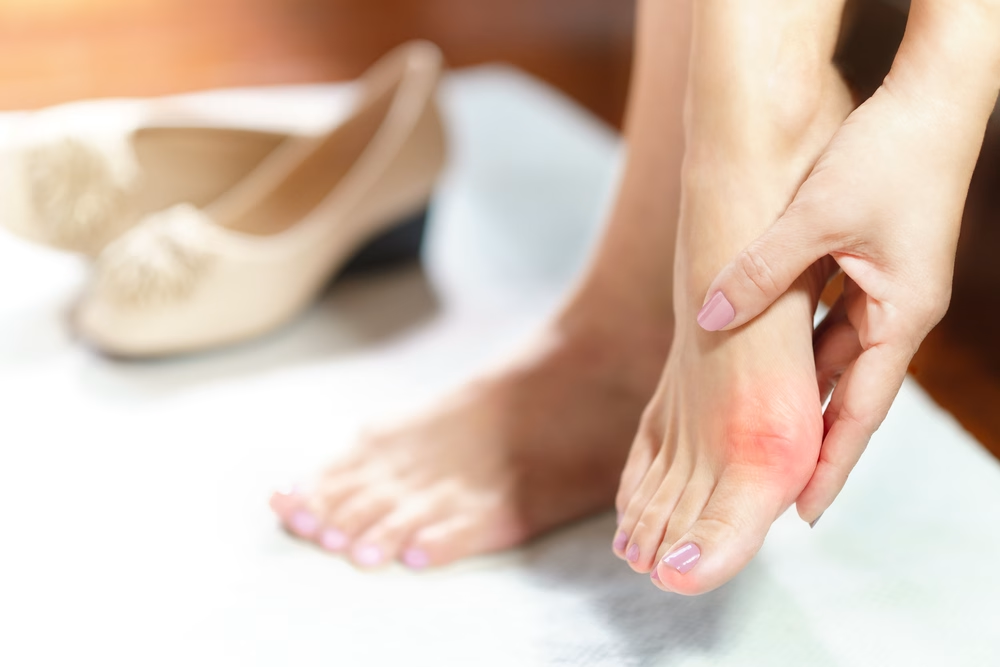
A bunion — medically known as hallux valgus — forms when the bones in the front of the foot gradually shift out of alignment, causing the big toe to angle toward the second toe. As this happens, the metatarsophalangeal (MTP) joint at the base of the big toe is pushed outward, creating the characteristic bony bump on the inner side of the foot.
Bunions develop slowly over time. The shift in bone alignment creates abnormal joint mechanics, which leads to progressive joint damage, pain, and difficulty with footwear. Without treatment, bunions worsen — the big toe continues to deviate toward the other toes, the bump grows larger, and the pain and functional limitations increase.
When a similar deformity develops at the base of the little toe, it is called a bunionette (or tailor’s bunion) — a smaller but equally painful bump on the outer edge of the foot.
What Causes Bunions?
Bunions are primarily caused by a combination of genetic predisposition and mechanical stress on the foot. The following factors contribute to bunion development:
- Genetics — Inherited foot structure is the biggest risk factor. Low arches, flat feet, loose ligaments, and hypermobile joints make the foot more susceptible to bunion formation.
- Ill-fitting footwear — Shoes that are too tight, too narrow, or have pointed toe boxes force the toes into an unnatural position, accelerating the progression of a bunion. High heels shift body weight forward and increase pressure on the forefoot.
- Arthritis — Inflammatory arthritis such as rheumatoid arthritis can damage the joint capsule and supporting structures, contributing to big toe misalignment.
- Overuse injuries — Activities that place repetitive stress on the forefoot can contribute to gradual joint misalignment over time.
Symptoms of Bunions
Bunion symptoms typically develop gradually over months or years. Common signs include:
- A visible bony bump on the inner side of the foot at the base of the big toe
- Pain, tenderness, or soreness at the MTP joint — especially in tight shoes
- Swelling, redness, or warmth around the joint
- Calluses or corns where the first and second toes overlap
- Restricted movement of the big toe
- Difficulty finding comfortable footwear
- Pain in the second toe or ball of the foot from altered weight distribution
If you’re experiencing any of these symptoms, schedule an evaluation at DFW Foot and Ankle before the deformity progresses further. Early intervention almost always means less invasive treatment options.
Bunion Treatment at DFW Foot and Ankle
Dr. Suh takes a thorough, individualized approach to bunion treatment. He will examine your foot, analyze your gait, and review your medical history and imaging before recommending a treatment plan. The goal of non-surgical treatment is to reduce pain and slow the progression of the deformity. Surgical treatment is considered when conservative measures are no longer providing adequate relief.
Footwear Modification
Switching to shoes with a wide toe box is often the single most impactful change for bunion sufferers. Giving the toes adequate room reduces pressure on the bunion joint and limits the forces that drive the deformity forward. Dr. Suh can advise on appropriate footwear styles for your foot type and activity level.
Padding and Taping
Bunion pads cushion the bump and protect it from friction with footwear, reducing pain during daily activity. Taping the foot can also help maintain better toe alignment and reduce joint stress.
Custom Orthotics
Custom orthotics are designed to redistribute pressure away from the bunion joint, improve overall foot alignment, and reduce the mechanical forces that cause the bunion to worsen. For patients whose bunions are related to flat feet or overpronation, orthotics address the underlying biomechanical driver of the deformity.
MLS Laser Therapy
MLS laser therapy can reduce inflammation and pain at the bunion joint, providing relief without medications or injections. It is particularly useful for managing flare-ups and for post-surgical recovery.
Surgical Treatment
When conservative treatments fail to provide adequate pain relief or when the deformity significantly affects your quality of life, bunion surgery (bunionectomy) may be recommended. Modern minimally invasive surgical techniques allow for correction with smaller incisions, faster healing, and less post-operative discomfort. Dr. Suh will discuss all surgical options thoroughly and help you understand what to expect if surgery is the right path for you. MLS laser therapy can significantly accelerate healing and reduce post-surgical inflammation.
Contact DFW Foot and Ankle for Bunion Relief in Flower Mound, TX
Don’t wait until your bunion pain is severe or your deformity has significantly advanced. The earlier you seek treatment, the more options are available and the better the outcome. Call (972) 899-2170 or book online to see Dr. Suh in Flower Mound, TX.
Bunion Treatment FAQs
Can bunions go away without surgery?
The structural deformity of a bunion — the misaligned bone — cannot be corrected without surgery. However, the pain and discomfort caused by a bunion can often be very effectively managed with conservative treatments such as better footwear, custom orthotics, padding, and laser therapy. Many patients are able to live comfortably with bunions for years without needing surgery.
Do bunions always get worse over time?
Bunions tend to progress slowly over time, especially when contributing factors like tight footwear and poor foot mechanics are not addressed. Conservative treatment — particularly appropriate footwear and custom orthotics — can slow progression and manage symptoms effectively. Dr. Suh will monitor your bunion over time and advise if and when surgical intervention becomes appropriate.
What type of shoes should I wear if I have a bunion?
Choose shoes with a wide, rounded toe box that gives your toes plenty of room. Avoid narrow, pointed-toe shoes and high heels, which compress the forefoot and accelerate bunion progression. Look for shoes with a low heel, good arch support, and a flexible upper. Dr. Suh can provide specific footwear recommendations during your visit.
When should I consider surgery for my bunion?
Surgery is typically considered when bunion pain significantly affects your daily activities, when you can no longer find comfortable footwear, or when conservative treatments have been thoroughly tried without adequate relief. Dr. Suh will help you weigh the benefits and recovery requirements of surgery and ensure the timing is right for your specific situation.
Will my bunion come back after surgery?
Modern bunion surgery techniques have good long-term success rates, but recurrence is possible — particularly if contributing factors like footwear habits and foot mechanics are not addressed post-operatively. Wearing appropriate shoes and using custom orthotics after surgery significantly reduces the risk of recurrence.
Can bunions cause problems in other parts of my foot?
Yes. As the big toe drifts toward the second toe, it can cause the second toe to become crowded and develop a hammertoe deformity. Altered weight distribution from the bunion can also lead to calluses, metatarsalgia (ball-of-foot pain), and increased stress on other forefoot structures. Addressing the bunion early reduces the risk of these secondary complications.
Are bunions hereditary?
Yes — genetics play a significant role in bunion development. Inherited foot traits such as flat feet, hypermobile joints, and loose ligaments make the foot more susceptible to developing bunions. That said, lifestyle and footwear choices also have a major influence on whether a genetic predisposition leads to an actual deformity and symptoms.